Wishlist Travel: A Font Duo for Handmade Branding
There’s a particular feeling that comes with receiving a beautifully crafted invitation or seeing a logo that just feels… right. It’s a sense of warmth, authenticity, and intention. In a world saturated with generic digital templates, a font that carries a handmade, human touch can be the secret ingredient that makes a design truly resonate. That’s where a thoughtfully designed typeface like Wishlist Travel enters the picture, offering a bridge between polished professionalism and heartfelt charm.
Beyond the Basics: Understanding the Font Duo
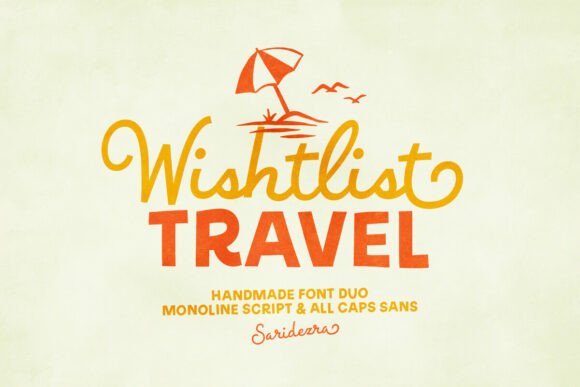
At its core, Wishlist Travel is a clean, handmade font duo. This means you’re not just getting one typeface, but two complementary styles designed to work in harmony. The first is a monoline script—think of the consistent, flowing lines of a skilled hand using a single pen weight. It’s elegant without being overly fussy, legible while maintaining a distinct personality. The second component is a bold sans-serif. This provides a sturdy, modern counterpoint to the script’s fluidity. The bold sans is your anchor, your headline grabber, and your reliable workhorse for clarity.
What makes this pairing particularly effective for modern design is its stylistic balance. The script brings festive, celebratory energy, perfect for occasions that call for a personal touch. The sans-serif grounds it, ensuring your message remains clear and impactful. This duality makes the font duo incredibly versatile. You’re not locked into a single mood; you have the tools to create dynamic, engaging layouts that can shift from playful to professional with a simple change in font choice within the same family.
Where Handmade Meets High-Impact: Practical Applications
The true test of any design asset is how it performs in real-world projects. Wishlist Travel’s clean handmade aesthetic opens the door to a wide range of creative and commercial uses. For logo design, the script can form a unique wordmark for a boutique, a bakery, or a creative studio, while the sans-serif can be used for the accompanying tagline or supporting text, ensuring everything remains cohesive under one brand identity.
In packaging design, this font duo shines. Imagine a artisanal chocolate box where the product name flows in the script, and the ingredients are listed in the clear, bold sans. Or consider social media graphics: the script can make a quote or announcement feel personal and shareable, while the sans keeps the call-to-action or website URL bold and easy to read on a small screen. For web design, the script can be used sparingly for impactful headlines or navigation accents, paired with the sans for body text to maintain excellent readability across devices.
Think about print materials like business cards, posters, or flyers. The script can draw the eye to a key piece of information, like an event name or a special offer, while the sans provides all the essential details. For invitations—whether for a wedding, a milestone birthday, or a corporate gala—the font’s festive look sets the perfect tone. Even for editorial layouts in magazines or blogs, it can be used for pull quotes or section headers to break up text and add visual interest. The possibilities extend to merchandise, digital products like e-book covers, and a full suite of marketing assets.
Making It Work for Your Brand: Practical Typography Tips
Having a beautiful premium font is the first step. Using it effectively is where the real magic happens. The key is intentionality. Before you even open your design software, consider the goal of your project. Is it to convey elegance? Trust? Fun? Innovation? The script font component of Wishlist Travel leans towards warmth and creativity, so it’s ideal for brands in lifestyle, food, wedding, or artisanal spaces. The sans-serif font offers the versatility to fit into more corporate or minimalist contexts when used alone.
A critical piece of advice is to test font pairings thoroughly. While Wishlist Travel is a designed duo, you might want to pair it with other typefaces for larger projects. A simple, neutral serif font or a clean sans serif font often makes an excellent companion for body copy, letting the display duo handle the headlines. Always check for readability considerations. The script, while legible, is best used for short bursts of text—headlines, logos, or accents. For longer paragraphs, the bold sans or a separate body font will ensure your audience can comfortably read your message.
Don’t overlook the technical details. Review the included font styles and alternates. Wishlist Travel’s script includes ending alternates for its uppercase letters. This is a fantastic feature for logo design or monograms, allowing you to customize the look of your wordmark so the letterforms flow together more naturally, avoiding awkward connections. It’s these subtle touches that elevate a design from good to great.
Finally, always be mindful of commercial licensing considerations. If you’re using the font for client work, merchandise for sale, or any project that generates revenue, ensure your license covers that use. Reputable font marketplaces make this clear. Understanding the terms upfront protects you and your clients and supports the designers who create these valuable design assets.
The Takeaway: A Tool for Authentic Connection
Ultimately, Wishlist Travel is more than just a collection of letters and numbers. It’s a creative font designed to inject personality and professionalism into your work. It helps solve a common challenge: how to make digital and print communications feel human, approachable, and memorable. By leveraging its dual nature—the expressive script and the reliable sans—you can build stronger visual consistency across your projects, enhance brand recognition through a unique typographic voice, and create materials that genuinely engage your audience.
Whether you’re a small business owner crafting your first brand identity, a content creator designing eye-catching thumbnails, or a designer